
Newcastle University
Some photos and some words...

There are three urgent and indeed great problems that we face all over the world today. That is the problem of racism, the problem of poverty, and the problem of war.
From the acceptance speech of Dr Martin Luther King Jr. on receiving his Honorary Doctor of Civil Law from Newcastle University
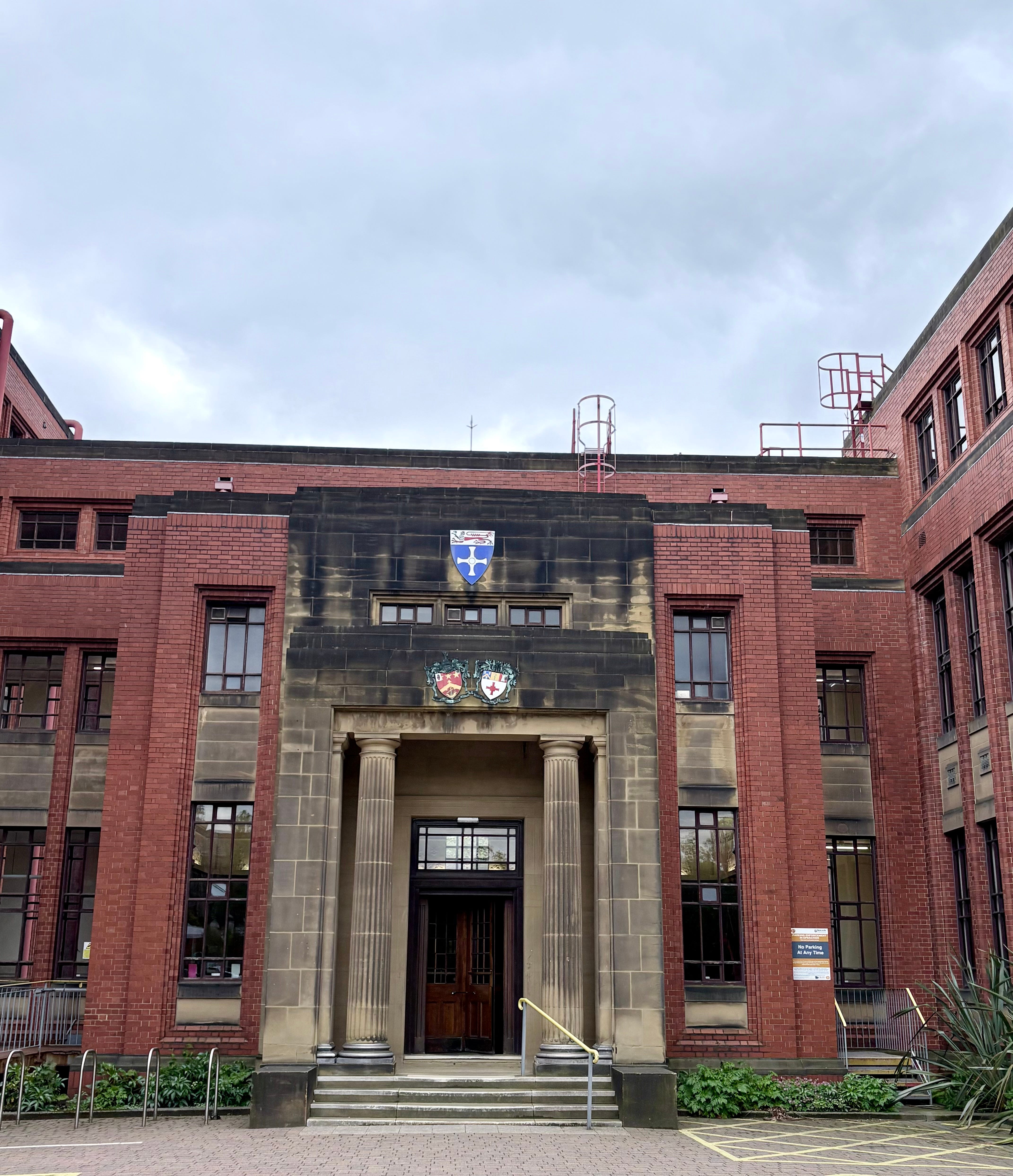
While I am back from my train travels on the continent, it's going to take me a while to write up a Meander on that, so in the meantime, he’s one more local to home.
One of the things I’ve noticed since moving back to northeast England to live, having spent close to 50 years living and working in the south of England, is how much more of a ‘university town’ the city of Newcastle-upon-Tyne is than the one I left in 1974. Indeed, arguably, few institutions have shaped modern Newcastle as profoundly as the university. Although often discussed primarily as a centre of education and research, the university’s significance extends far beyond academia, with the relationship between the city and its university unusually close, probably because the institution did not develop in isolation from the city, but emerged directly from the needs, ambitions, and industries of northeast England.
And before I go any further, I should add that Newcastle University rejected my student application to read biochemistry there some 52 years ago. A disappointment at the time, but I hold no grudges, as that rejection turned out to be a blessing for me. In truth, I am no academic and would have no doubt ended my time at the university with a poor degree and a severely damaged liver. The rejection encouraged me to spread my wings and move to London, and after a few years in forensic science, I then made my little intellect go a long way as I climbed the slippery corporate ladder in Aerospace and Defence. I may not have achieved everything I might have aspired to in my career, but I achieved everything of which I was capable, and I'm comfortable with that. Anyway, this is not about me but about the university.
It may come as a surprise that the university we see today, with some 28,000 students from 130 countries, came into being as recently as 1963, when King’s, a college of Durham University, separated from that establishment to become Newcastle University, although the story reaches much further back in time and is deeply rooted in Victorian industrial society.
As any regular readers of my pieces will know, northeast England in the nineteenth century was one of Britain’s great industrial regions, with rapid growth driven by coal mining, engineering and shipbuilding. It was the resulting population growth that, in 1834, led to the establishment of the Newcastle School of Medicine and Surgery by a group of local doctors, specifically to meet a pressing need for trained medical professionals to serve local communities and treat frequent workplace injuries.
While the medical school was initially independent, it soon developed links with the University of Durham, established a couple of years earlier, and within 20 years Newcastle’s Medical School had formally become part of that University as the Newcastle-upon-Tyne College of Medicine. Thus began a long relationship in which Newcastle’s College of Medicine served as Durham University’s major scientific and medical campus, while Durham University retained stronger traditions in theology and the humanities.
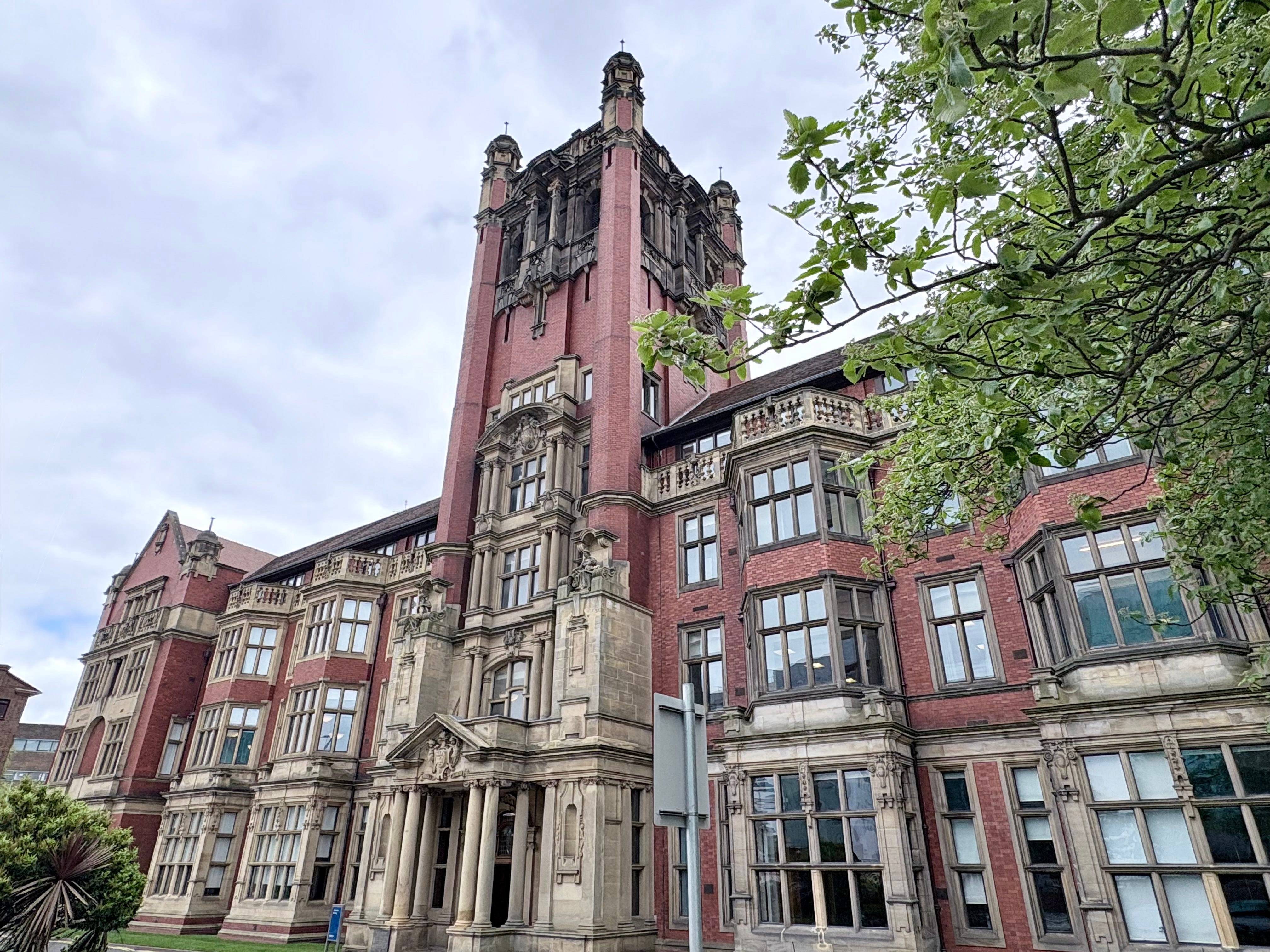
A crucial turning point in the creation of what would become Newcastle University came with the philanthropy of George Armstrong, one of Victorian Britain’s most important industrial figures, especially in weapons manufacturing, and the founder of vast engineering works on Tyneside. Armstrong believed scientific education should serve society and industry, and in 1871, he funded the creation of the College of Physical Science in Newcastle to provide scientific education for the industries driving the northeast English economy.
That college later became known as Armstrong College, and by the late 19th century, it had become a major part of northeast England’s intellectual infrastructure, supplying engineers, scientists, and architects who helped shape both the region and the wider world. In cultural terms, this created an enduring identity for Newcastle as a city of innovation and practical intelligence rather than merely as an industrial labour city. On graduation, students often went on to work in the region’s coalfields, shipyards, railways and steelworks, while some travelled to undertake engineering projects overseas.
In 1937, the Medical College and Armstrong College merged to form King’s College, Newcastle, although remaining part of Durham University. Over the years, Kings became one of Britain’s strongest centres for medicine, engineering and agriculture, earning an international reputation for major contributions to public health and industrial research.
An example of recent pioneering research through the university’s Centre for Life and links with the NHS created one of Britain’s strongest regional genetics programmes, including work on ageing and mitochondrial diseases ( inherited disorders that affect how cells produce energy), with the university becoming a world leader in translational ageing research through its Institute for Ageing and the NIHR Newcastle Biomedical Research Centre. One of the most significant outcomes was research underpinning the development of ‘three-parent IVF’ (mitochondrial donation treatment), designed to prevent mothers from passing severe mitochondrial disease to children. Newcastle scientists were central to the science that led the UK to become the first country to legalise the technique, identifying genes associated with muscular dystrophy, neurodegenerative disorders, inherited blindness, and rare childhood diseases. Their work in human genetics and genomic medicine helped improve diagnosis rates for rare conditions across the NHS.
Newcastle researchers have also developed new cancer diagnostic tools, including work on skin cancer detection and precision medicine approaches, and have contributed to brain cancer research and experimental therapies.
As you might expect from a university so close to the sea, the university’s marine scientists, working partly from the historic Dove Marine Laboratory at Cullercoats, have contributed major research into ocean circulation, climate change impacts, marine biodiversity and fisheries sustainability.
As well as a growing intellectual presence in science and technology, King’s College’s teaching of arts and social sciences expanded significantly, functioning as a catalyst for artistic and intellectual life in Newcastle, with the Fine Art department, particularly during the 1950s and 1960s, becoming internationally influential through figures such as Richard Hamilton, often regarded as a founder of Pop Art. Hamilton’s teaching helped shape artists and musicians, including Bryan Ferry of Roxy Music, whose sophisticated visual and musical style reflected Newcastle’s surprisingly avant-garde artistic environment.
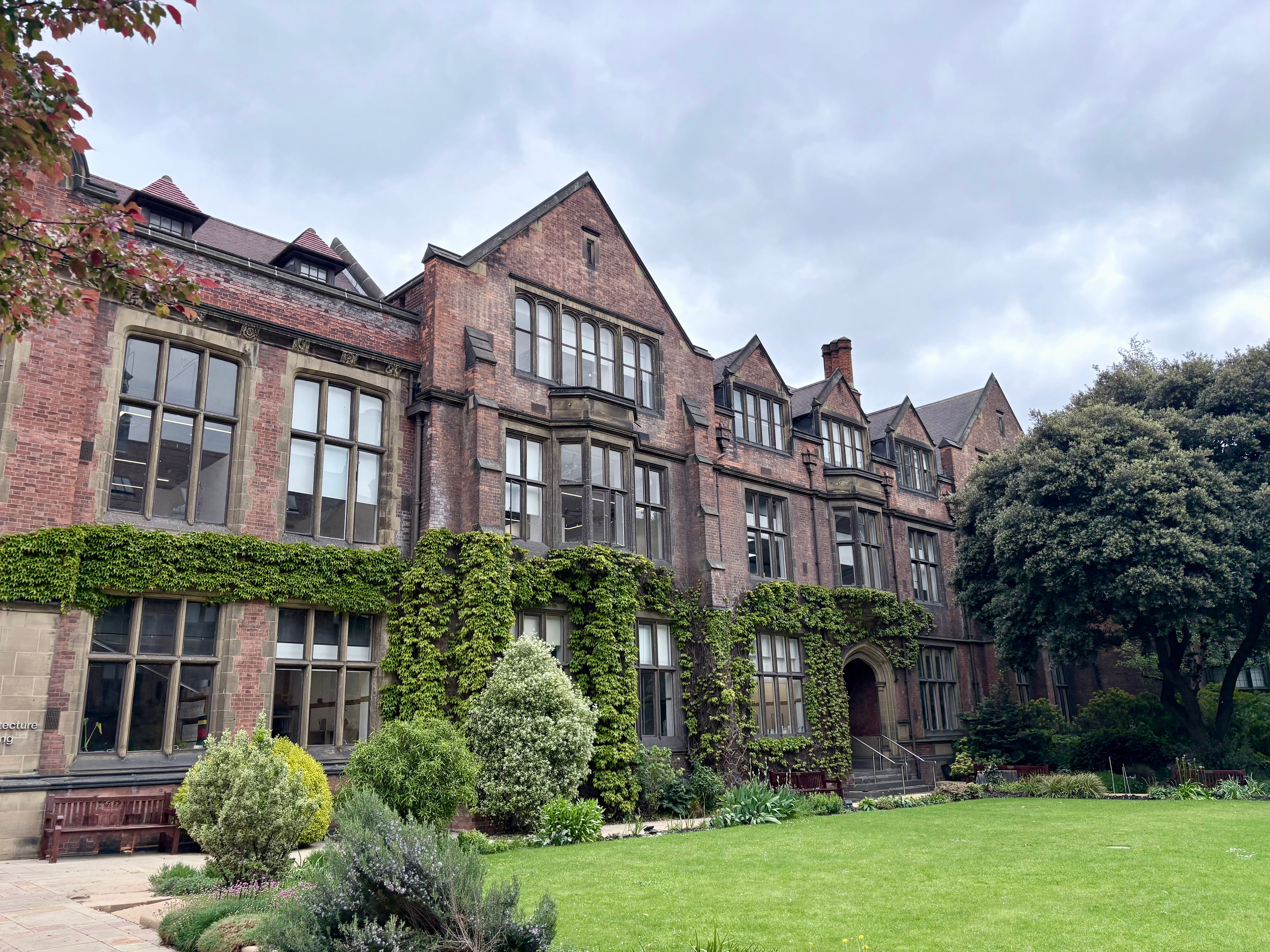
The 1960s were also a period of major expansion in British higher education, and it’s therefore no surprise that Newcastle emerged from under Durham University’s wing as one of the UK’s major “red brick” civic universities, reflecting the institution’s growing size, academic ambition and distinct identity as part of Newcastle.
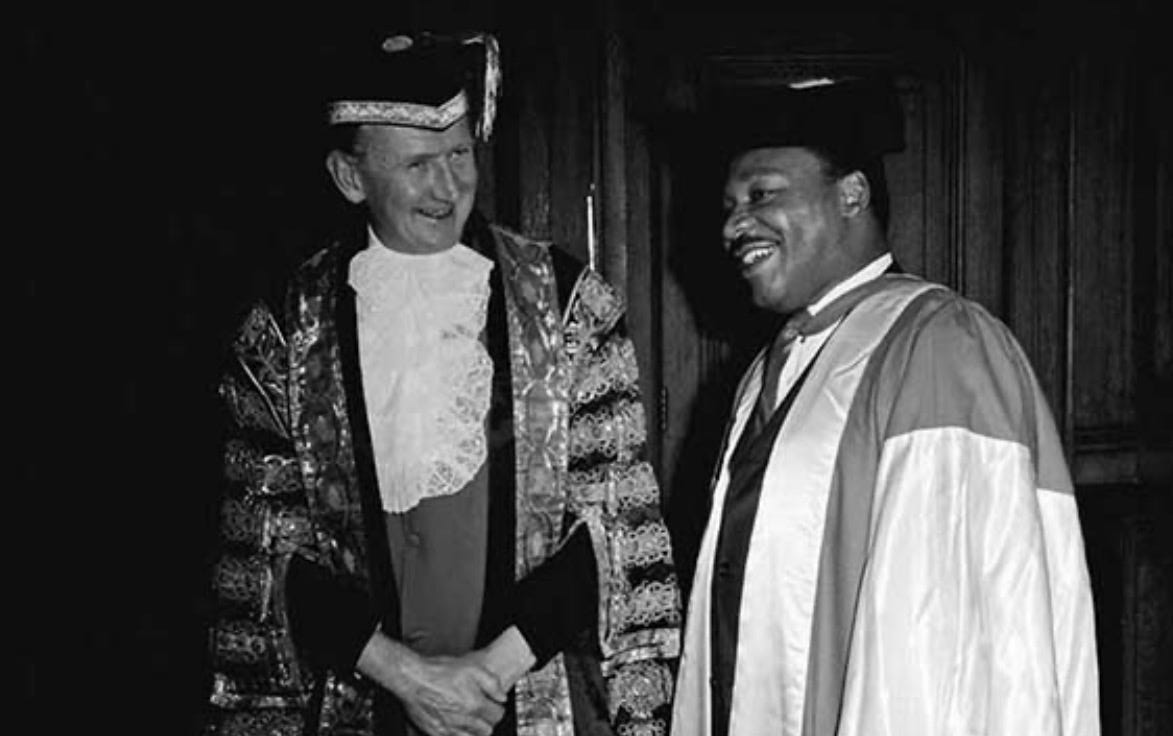
Like many British universities, and especially given Newcastle’s radical past, the university became a centre of student activism, political debate, and cultural experimentation in the 1960s and 1970s. An example of this came in 1967, when the university awarded Dr Martin Luther King, the inspirational civil rights campaigner, an Honorary Doctor of Civil Law, the only UK university to do so during his lifetime, an act that remains recognised as an important moment in Newcastle University’s history.
Over the years, I have met many people across the country who once studied at Newcastle University and still speak fondly of their time as students and of the city and its people. Newcastle’s identity as a vibrant cultural city would be far weaker without the intellectual energy generated by the university population, while the city’s thriving theatre scene, galleries, museums, and festivals benefit enormously from the presence of thousands of students and academics, who create audiences for cultural events and contribute to public debate.
What’s also striking about Newcastle University alumni is how often they reflect the university’s blend of science and engineering, creative arts, and civic engagement. I’ve already mentioned Bryan Ferry, and another example is Britain’s most respected war correspondent and broadcaster, Kate Adie, who studied at Newcastle in the 1960s. Then there’s the comic actor Rowan Atkinson, who completed a master’s degree in electrical engineering at Newcastle after studying at Oxford. In literature, there’s Neil Astley, founder of Bloodaxe Books, one of Britain’s most important independent poetry publishers, who is strongly associated with the literary scene in northeast England, helping to publish major contemporary poets. Given the university’s track record in science and medicine, it’s no surprise that Sir Liam Donaldson, former Chief Medical Officer for England, who became one of Britain’s most influential public health figures, was a Newcastle graduate. And before him came John Snow, who was among the first cohort of students to the School of Medicine in 1832 and became famous for his pioneering work linking contaminated water to cholera transmission, which helped found modern epidemiology. His act of removing the handle from a pump in London’s Soho district, from which infected water came, is still commemorated by a duplicate Victorian-style pump (without a handle) located approximately where the original stood. Moving from medicine to Architecture and Design, Terry Farrell, one of Britain’s leading architects and urban planners, reflects the capabilities of Newcastle’s architecture school, which has a long and strong national reputation.
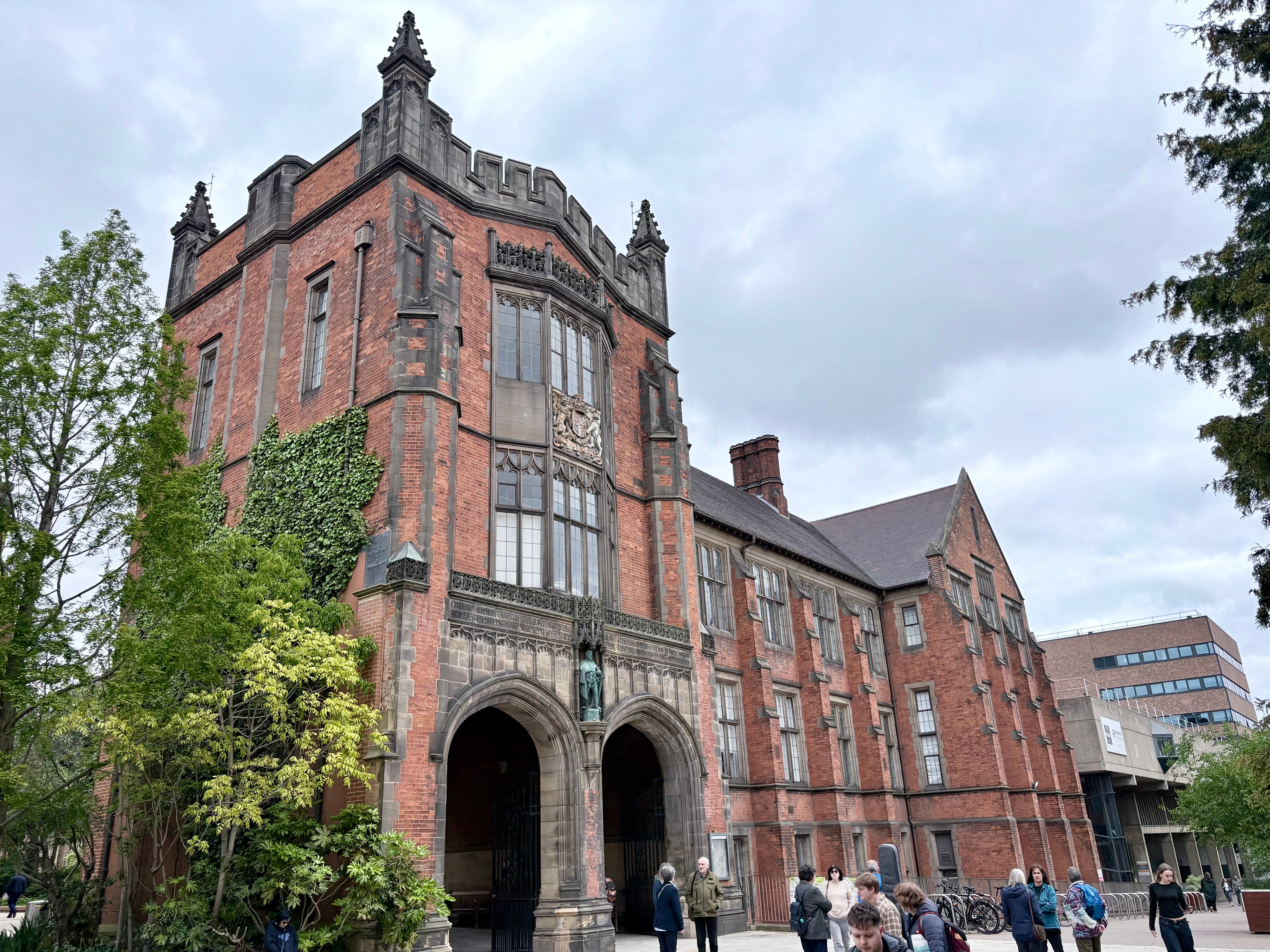
It’s not only in economic terms that a university exerts influence; it can also shape how cities envision themselves. As you walk around campus, you can see how the university has also transformed Newcastle’s architecture, with its buildings forming a major part of the city centre landscape, blending Victorian Gothic, Edwardian civic design, postwar modernism, and contemporary architecture. Structures such as the Armstrong building embody the confidence of the Victorian civic culture, while the university’s libraries, lecture halls and public spaces create an intellectual district within the city, linking education to everyday urban life. Unlike more isolated campuses, Newcastle University stays interwoven with the fabric of the city, encouraging interaction among students, residents, businesses and cultural institutions
Perhaps it’s the practical and civic origins that also distinguish Newcastle University from older English universities associated with aristocratic tradition or ecclesiastical foundations. The university was born from urban modernity and industrial ambition as a practical institution serving an industrial region, and that heritage still shapes its culture today with a focus on practical application rather than purely theoretical science. In its early days as King's College, it provided generations of northeast England-born students from humble backgrounds with higher education and access to professions and opportunities previously unavailable to them, and the college became part of a broader postwar ideal that higher education should serve the public good rather than an elite minority.
It has since evolved into a globally recognised university while retaining a strong civic and regional identity, and has become central to northeast England’s economic and post-industrial transformation. As heavy industry declined, higher education and research emerged as important sources of employment, innovation and regeneration, with the university attracting international students, supporting technological and medical research and making a significant contribution to the city’s economy.
Over the decades, the university also helped shape the city of Newcastle’s reputation as relatively open, socially mixed, and less dominated by inherited privilege than some southern university cities, and there doesn’t seem to be the same ’Town v Gown’ tension you find elsewhere. The close ties between the university and the city, through links to civic institutions such as the Great North Museum: Hancock, remain, reinforcing a deep connection between the university and the cultural life of northeast England, as well as the region’s regeneration. These close collaborations with galleries, archives and theatres strengthen the university’s function as a guardian and interpreter of regional heritage. Archaeological projects connected to Hadrian’s Wall, industrial history and Northumbrian culture help preserve northeast England’s distinctive historical identity while presenting it to international audiences.
Overall, Newcastle University helps Newcastle present itself not simply as a former industrial centre, but as a modern, creative, and globally connected city with a keen sense of civic identity. The university has educated generations of citizens from the region, the rest of the UK, and the world, transformed the city’s urban landscape and nurtured its artistic and scientific culture, mirroring Newcastle’s own transformation from an industrial powerhouse to a contemporary cultural and intellectual centre. Long may it continue so to do.
Lovely little history of the university, Harry. I was there in ‘80-‘83, ostensibly to study a BA in English language and literature, but pretty much did those things you mentioned in your article - underachievement and liver abuse! I only got my academic act together many years later, but I loved Newcastle and have happy memories. The English department had some towering figures, including Barbara Strang, Robert Woof and Ernst Honigman - giants in linguistics and literary criticism.
Interesting, thanks. My first degree was from Newcastle - I went 30 years ago this autumn and had a great time (and ended up with a Geordie, who I've since lured to Yorkshire). Leeds University, where I've worked for many years, has a similar local industrial origin - 19th century medical college merged with the science college focused on the local textile industry. Unlike Newcastle though, Leeds campus is slightly separated from the city centre and sadly doesn't feel quite as integrated with the city. It doesn't have as nice a set of buildings as Newcastle either, but don't tell my colleagues I said that ;-)